
Overview
Residents are encouraged to personalize their rooms with small items of furniture, art, pictures and other mementos. The rooms are spacious with large windows and come appointed with a bed, bedside table, wardrobe or closet, emergency call bells and chair. Additionally, every room has access to a telephone and cable outlet.
Televisions
We have provided televisions in resident lounges for residents’ use. Should a resident prefer their own television in their room, they may have cable installed. The resident or family member assumes the installation (provided by Rogers Cable) and financial responsibilities. In the interest of safety, we request that any electrical equipment brought into the home is checked by our Maintenance Department to ensure it is CSA-approved before it is used. Residents making use of radios and televisions will be expected to respect the rights of other residents.
Telephones
Should daily telephone calls be part of the residents’ routines, we suggest that installation of a private line. You may contact Bell Canada directly to arrange the installation. Residents are not permitted to use the telephones located at the nursing stations or in any office space.
Accommodation Choices
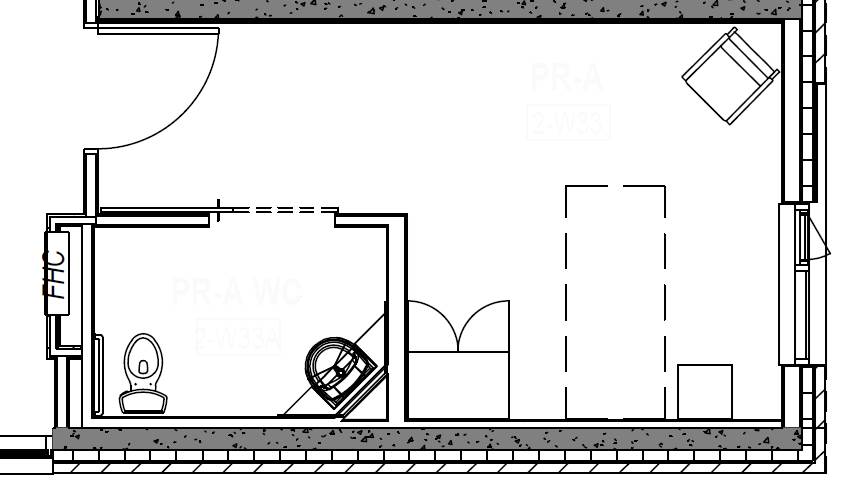
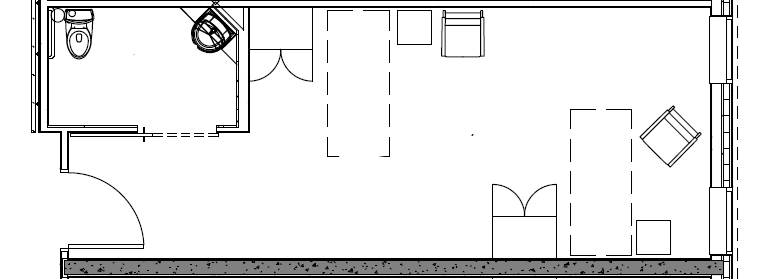
Our long-term care home consists of four resident home area floors, spanning from the 2nd to the 5th floor. Each floor is divided into two units—East and West—both offering a mix of standard and private rooms to accommodate individual preferences and needs. Regardless of the unit, all residents have access to the same thoughtfully designed amenity spaces, including a dining room with a kitchenette, an activity room, a lounge, a spa room, and a terrace. Each floor is supported by dedicated registered nursing staff and personal support workers to ensure the highest level of care and comfort.
-
Private:
This room style provides you with the utmost personal space and privacy. You have the option to decorate the room to your personal preference in consultation with the administration.
-
Standard:
This is an economical option as the room is shared. Rates for this choice are geared to resident income as regulated by the Ministry of Long-Term Care.
-
Ministry Inspections:
Annual inspections are completed by the Ontario Ministry of Long-Term Care.
Security
Runnymede Long-Term Care is a secure environment. All doors are secured with mag-locks that prevent the door from being opened internally or externally. In the event of a fire, doors will release automatically. Many of the doors have keypads adjacent to them that when activated will release the mag-locks for a time limited window allowing residents, family or staff to enter or leave the building. Doors will alarm or re-lock at the end of this designated window of time.
Coded access allows residents and families to move freely in and out of the building. Residents who are capable are invited to exit the building and utilize the walkways, patios, and garden areas around our home.
Fire Drills
A fire drill is conducted during every shift on a monthly basis, with loud and disruptive alarms that could potentially cause distress to certain residents.
Occasionally residents may also be asked to evacuate their rooms as part of the fire drill.
Placement Process
To find out if our long-term care home is right for you, please consider the following 3 steps for admission:
- Determine your eligibility (i.e. whether you qualify for a particular service or subsidy)
- Select the organization(s) that will provide the service (i.e. the “provider organization”)
- Apply for care (fill out the appropriate paperwork)
Speak to your Ontario Health atHome
Your local Ontario Health atHome can help you with defining your needs and personal situation, determining your eligibility, locating providers, and applying for care.
Residential Care Settings
If you are eligible for admission to a long-term care home, then the Ontario Health atHome co-ordinates your application for you and you select your top three choices of homes. The following chart can help clarify roles and responsibilities:
Type of Service
Who selects the provider
Who coordinates the application
Who determines eligibility
Supportive Housing
Retirement Homes
Long-Term Care Homes
Once the application has been completed and your top three homes have been selected, the application is sent to the chosen homes who then review the information and determine their ability to meet the needs of the applicant.
If the long-term care home feels they are able to meet the applicant’s needs, a letter confirming acceptance will be sent out to the applicant or their substitute decision-maker and the Ontario Health atHome and the applicant’s name will be added to the waiting list.
Waiting lists for long-term care are managed by the Ontario Health atHome. When the long-term care home has a vacancy, they notify the Ontario Health atHome who then makes a bed offer.
Remember, regardless of your situation or the options you are considering, your local Ontario Health atHome is here to help with resource information.
Financial Assistance:
Current accommodation per diem rates are set by the Ontario Ministry of Long-Term Care and are available at the Ministry of Long Term Care website.
Rate Reductions
Residents who are in basic accommodations may be eligible for a reduction in their monthly charges. The resident or Power Of Attorney needs to supply a Notice of Assessment (received from the government upon receipt of your refund or tax bill) from the previous tax year and the completed Application for Reduction Form with signature. A simple calculation is then done on site to determine if the resident is entitled to a reduction. Once the rate has been established a copy of the rate reduction form will be sent to families.
Involuntary Separation
Residents who have a spouse living in the community may apply for an Involuntary Separation reduction. The Ministry does require financial documentation for this reduction. Residents or Power of Attorneys need to contact Income Security at 1-800-277-9914 for further information regarding this reduction.